When a Korean Tenant's Opposing Power Begins: Midnight the Next Day
Opposing power starts at midnight the day after the resident registration, while a mortgage takes effect on filing. One day can decide 150 million won of a deposit.
Opposing power starts at midnight the day after the resident registration, while a mortgage takes effect on filing. One day can decide 150 million won of a deposit.
The base construction cost used under Korea's price-cap system rose from 2.237M to 2.328M won per square meter. On an 84㎡ unit, that adds about 10.19 million won in construction cost alone.
Exercising the lease renewal right caps a deposit increase at 5% of the previous amount — 20 million won on a 400 million won jeonse. Converted to monthly rent at the statutory 5.00% rate in September 2026, that works out to 83,333 won a month.
The 8% surcharge on a second home in a regulated zone becomes 9.0% once local education tax of 0.4% and rural development tax of 0.6% are added. A third home reaches 13.4%. Worked through on a 600-million-won flat.
The cheongyak (housing subscription) account deducts 40% of up to 3 million won paid in a year, capped at 1.2 million won. That is income removed, not tax refunded — at a 15% bracket it cuts the bill by 198,000 won.
If both the old and the new home sit in a jojeong daesang jiyeok (regulated area), the window to sell the old one and keep single-home tax relief shrinks from three years to two, for disposals on or after 1 October 2026.
A jeonsegwon (registered jeonse right) needs the landlord's consent and costs 720,000 won in tax on a 300 million won deposit. A court-ordered lease registration needs no consent and totals 43,400 won — but only the jeonse right forces an auction without a judgment.
Housing rental income of 20 million won or less can be taxed separately at 14%. On the same 12 million won of annual rent, the final tax ranges from 112,000 to 840,000 won depending on registration and the basic deduction.
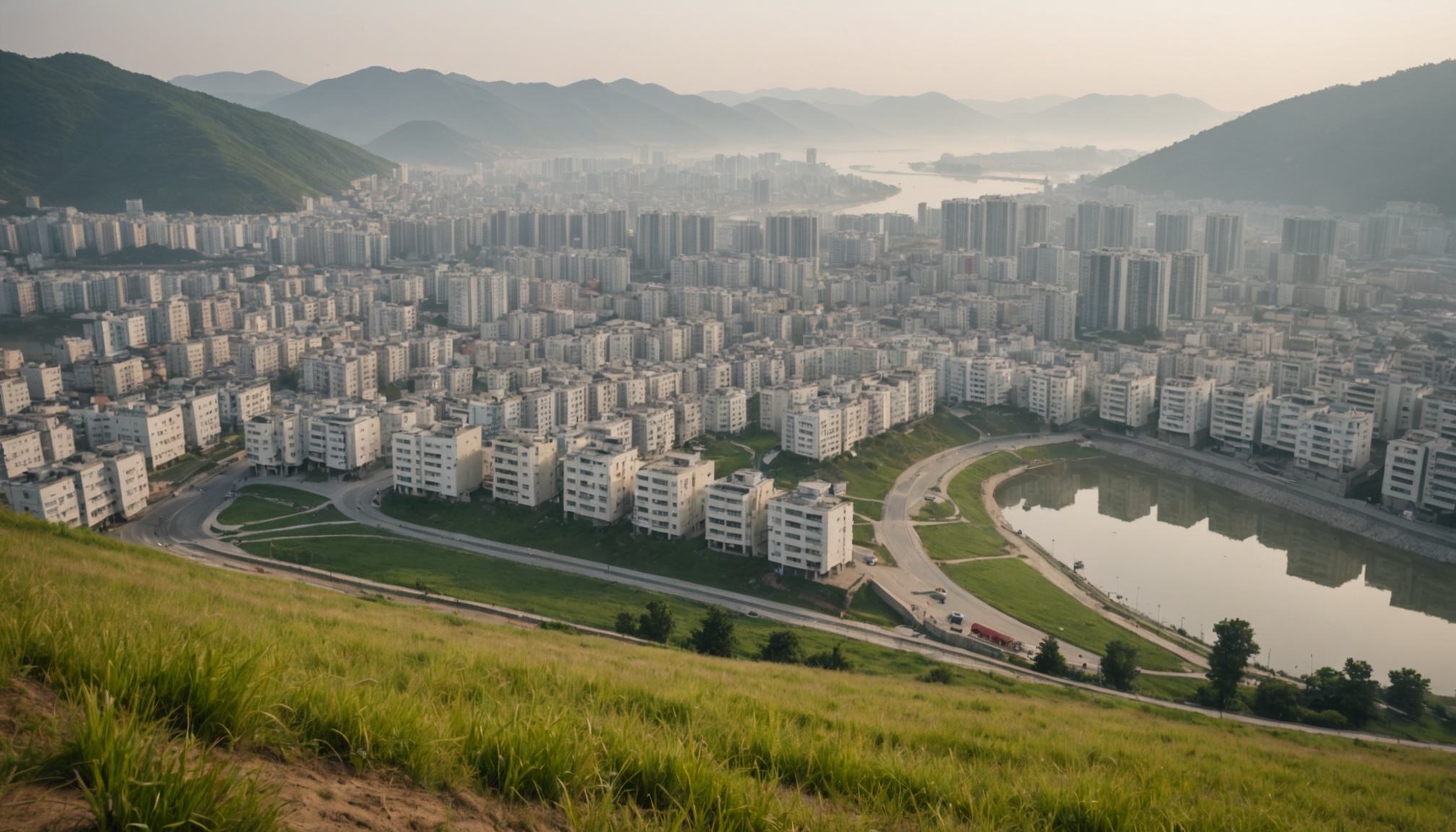
Mortgages in non-regulated provincial areas carry a 0.75-point stress rate; those in the capital region and regulated zones carry 3.0 points. At the same income and terms, the borrowing limit differs by 21% — and the provincial grace period runs only to December 31.
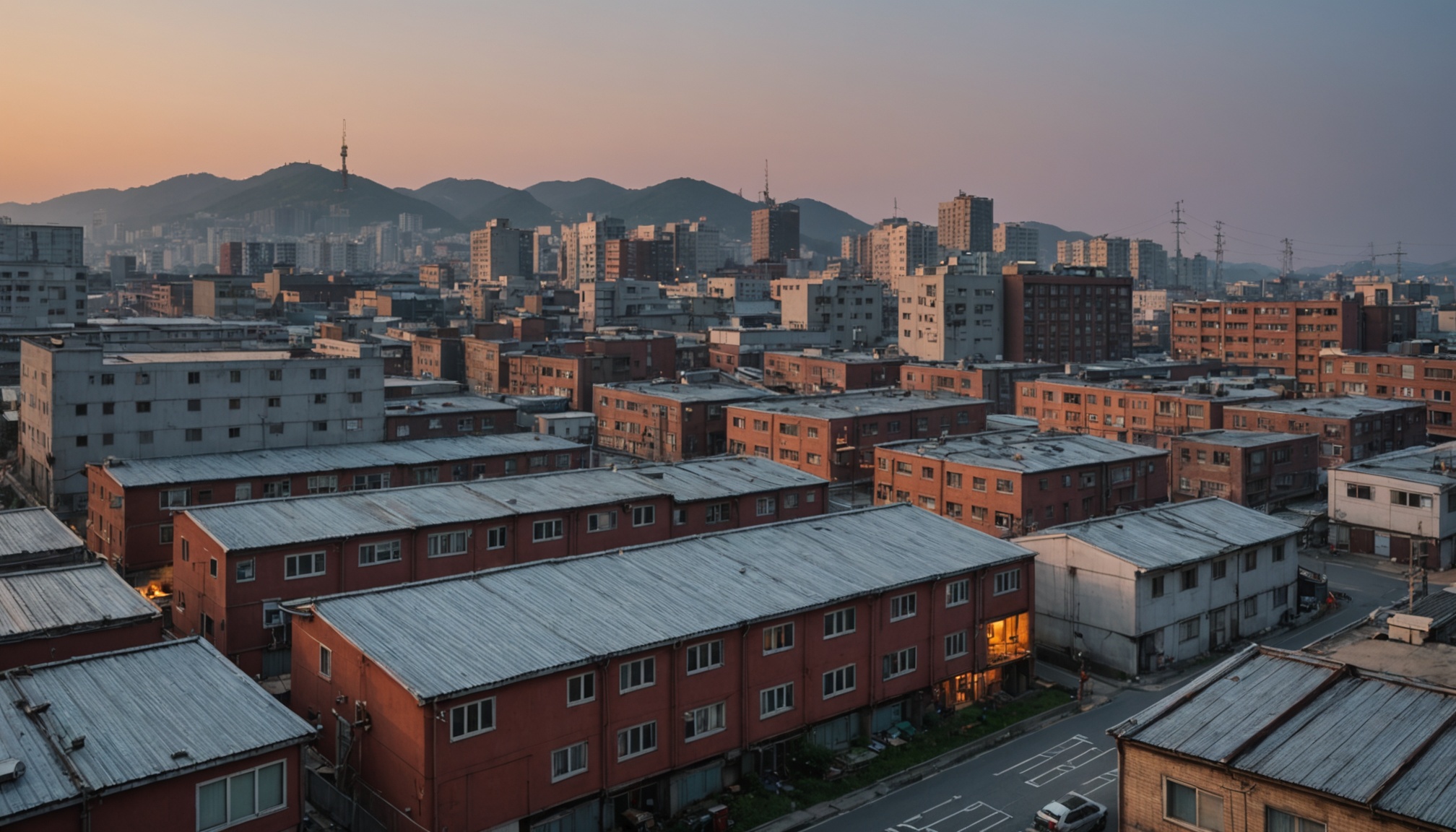
Seoul raised the maximum floor area ratio for apartments in semi-industrial zones from 250% to 400%. A 10% factory share and a 3,000 square meter site threshold decide the procedure — and applied to the Changdong 608 site, the unit count swings by more than 600 homes.