When a Korean Tenant's Opposing Power Begins: Midnight the Next Day
Opposing power starts at midnight the day after the resident registration, while a mortgage takes effect on filing. One day can decide 150 million won of a deposit.
Opposing power starts at midnight the day after the resident registration, while a mortgage takes effect on filing. One day can decide 150 million won of a deposit.
Exercising the lease renewal right caps a deposit increase at 5% of the previous amount — 20 million won on a 400 million won jeonse. Converted to monthly rent at the statutory 5.00% rate in September 2026, that works out to 83,333 won a month.
The 8% surcharge on a second home in a regulated zone becomes 9.0% once local education tax of 0.4% and rural development tax of 0.6% are added. A third home reaches 13.4%. Worked through on a 600-million-won flat.
The cheongyak (housing subscription) account deducts 40% of up to 3 million won paid in a year, capped at 1.2 million won. That is income removed, not tax refunded — at a 15% bracket it cuts the bill by 198,000 won.
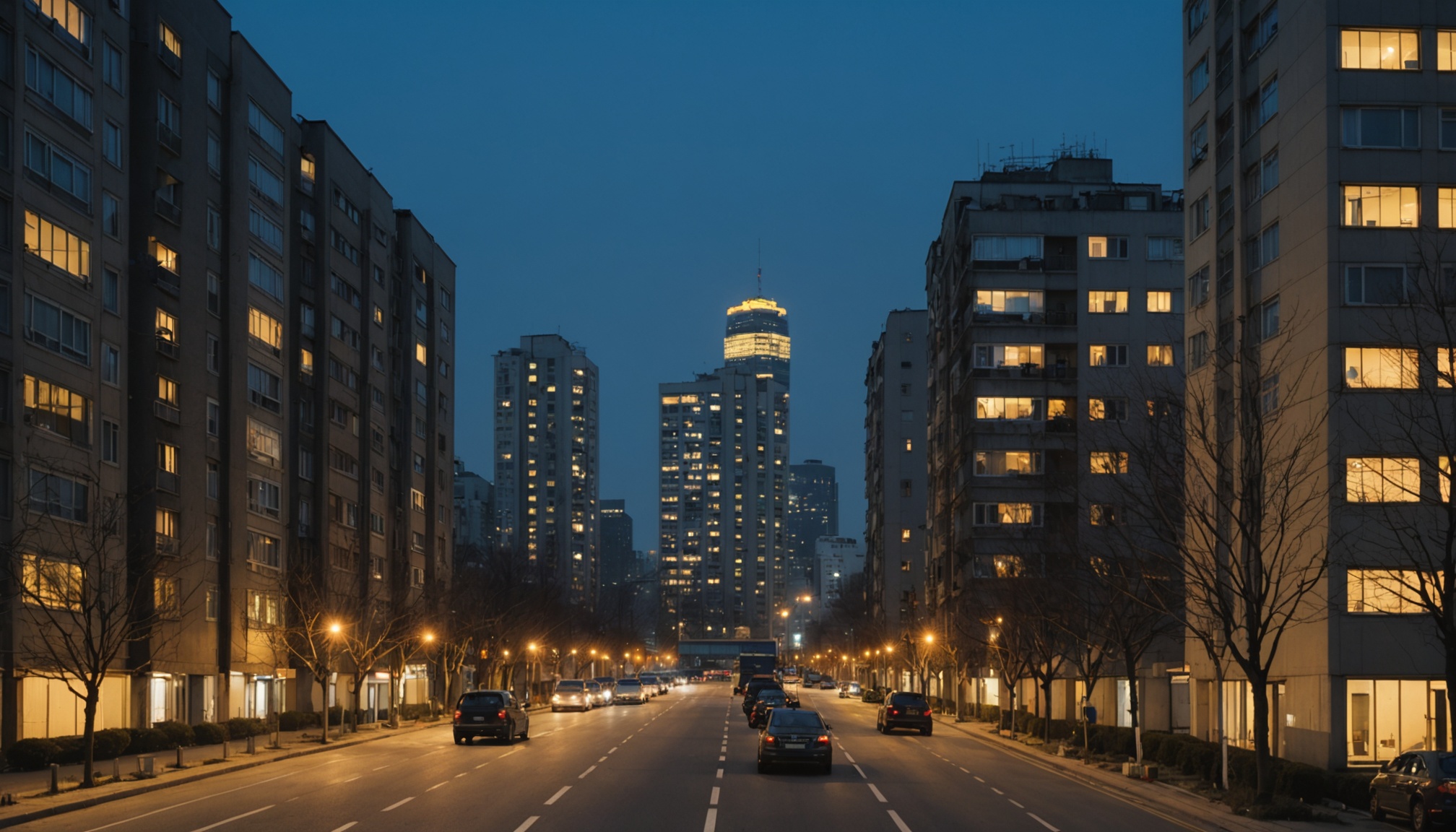
If both the old and the new home sit in a jojeong daesang jiyeok (regulated area), the window to sell the old one and keep single-home tax relief shrinks from three years to two, for disposals on or after 1 October 2026.
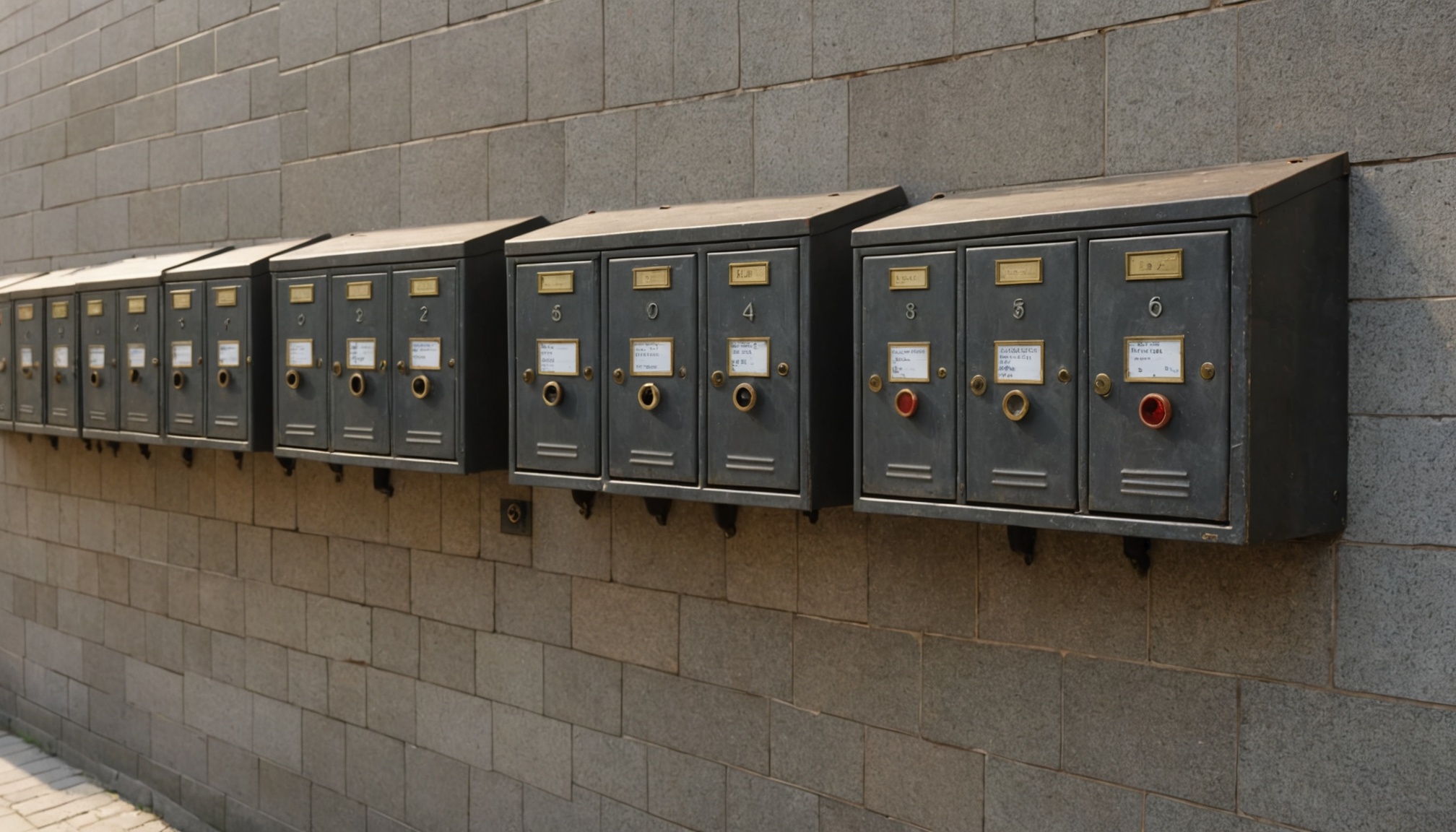
A jeonsegwon (registered jeonse right) needs the landlord's consent and costs 720,000 won in tax on a 300 million won deposit. A court-ordered lease registration needs no consent and totals 43,400 won — but only the jeonse right forces an auction without a judgment.
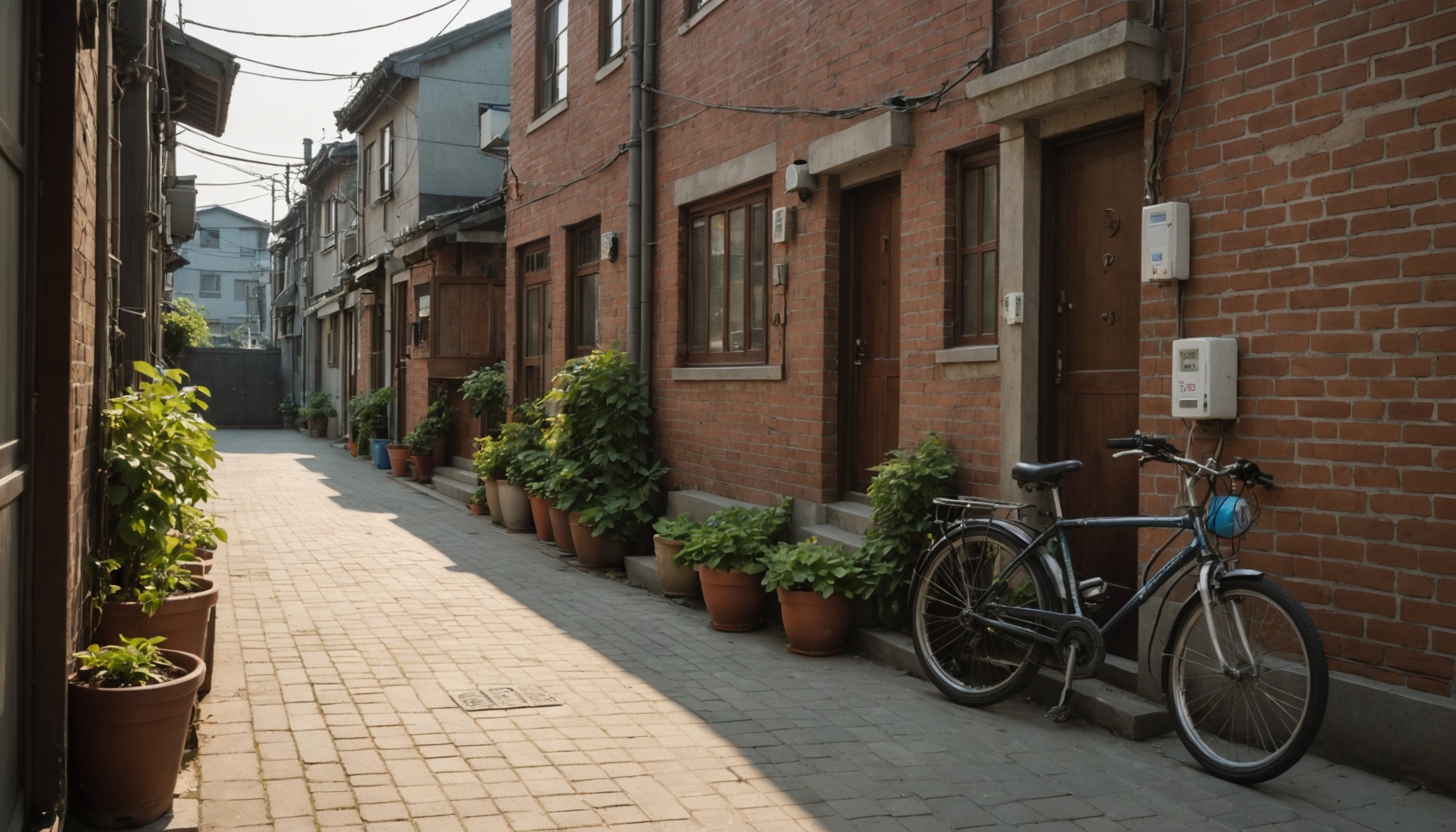
Housing rental income of 20 million won or less can be taxed separately at 14%. On the same 12 million won of annual rent, the final tax ranges from 112,000 to 840,000 won depending on registration and the basic deduction.
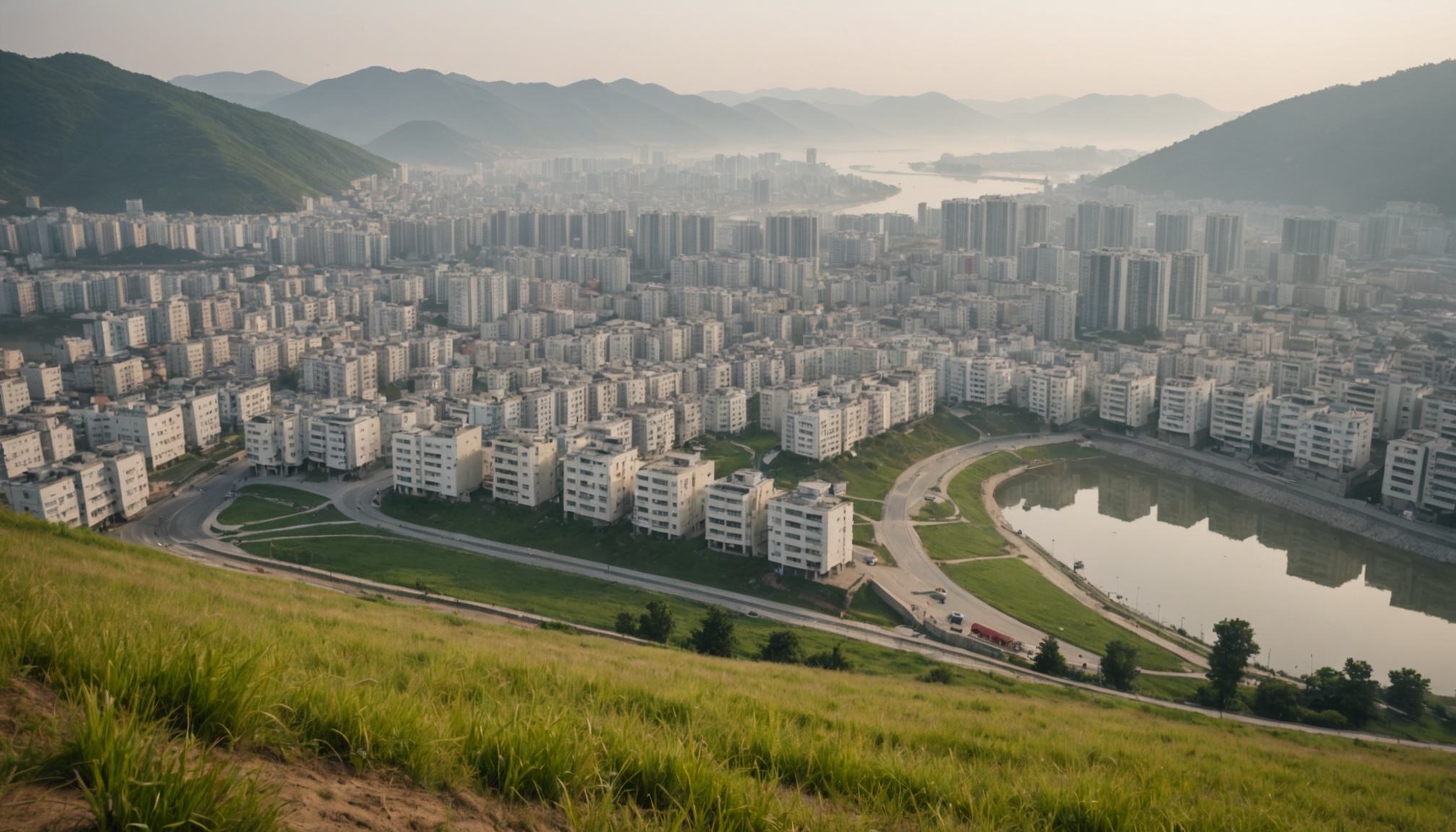
Mortgages in non-regulated provincial areas carry a 0.75-point stress rate; those in the capital region and regulated zones carry 3.0 points. At the same income and terms, the borrowing limit differs by 21% — and the provincial grace period runs only to December 31.
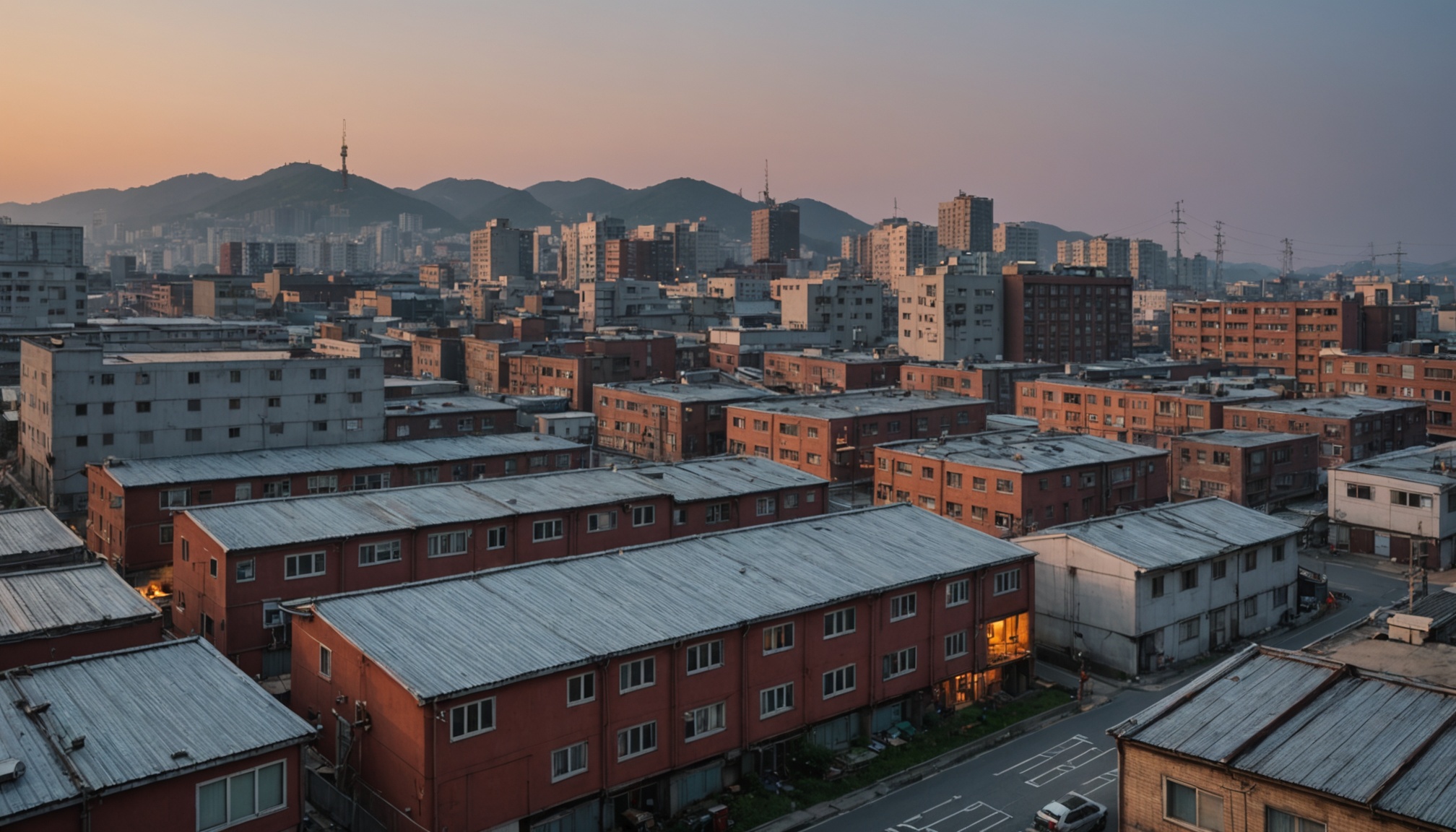
Seoul raised the maximum floor area ratio for apartments in semi-industrial zones from 250% to 400%. A 10% factory share and a 3,000 square meter site threshold decide the procedure — and applied to the Changdong 608 site, the unit count swings by more than 600 homes.
The jonghapbudongsansae exclusion filing window runs just 15 days, from September 16 to 30. Missing two qualifying rental units can push the bill from 300,000 won to 4.2 million on 2 billion won of assessed value.