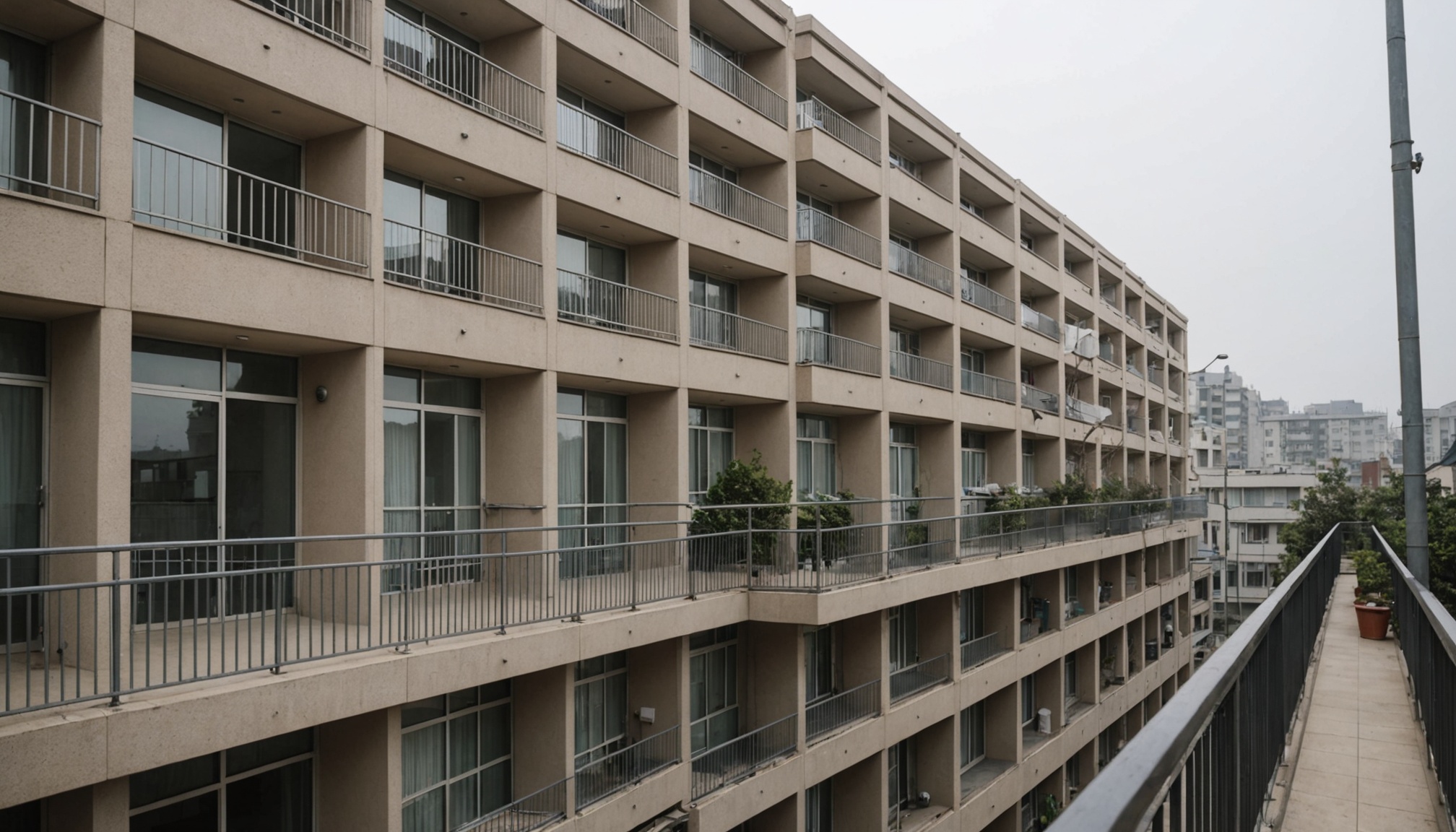
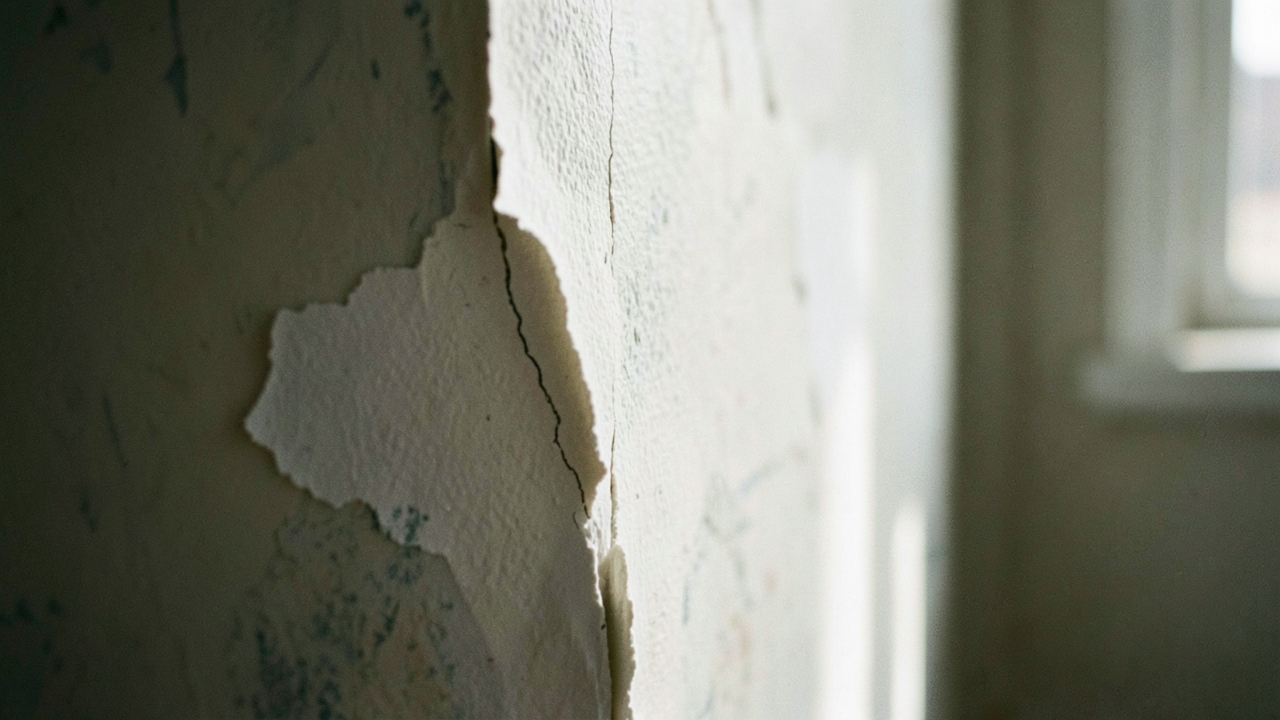
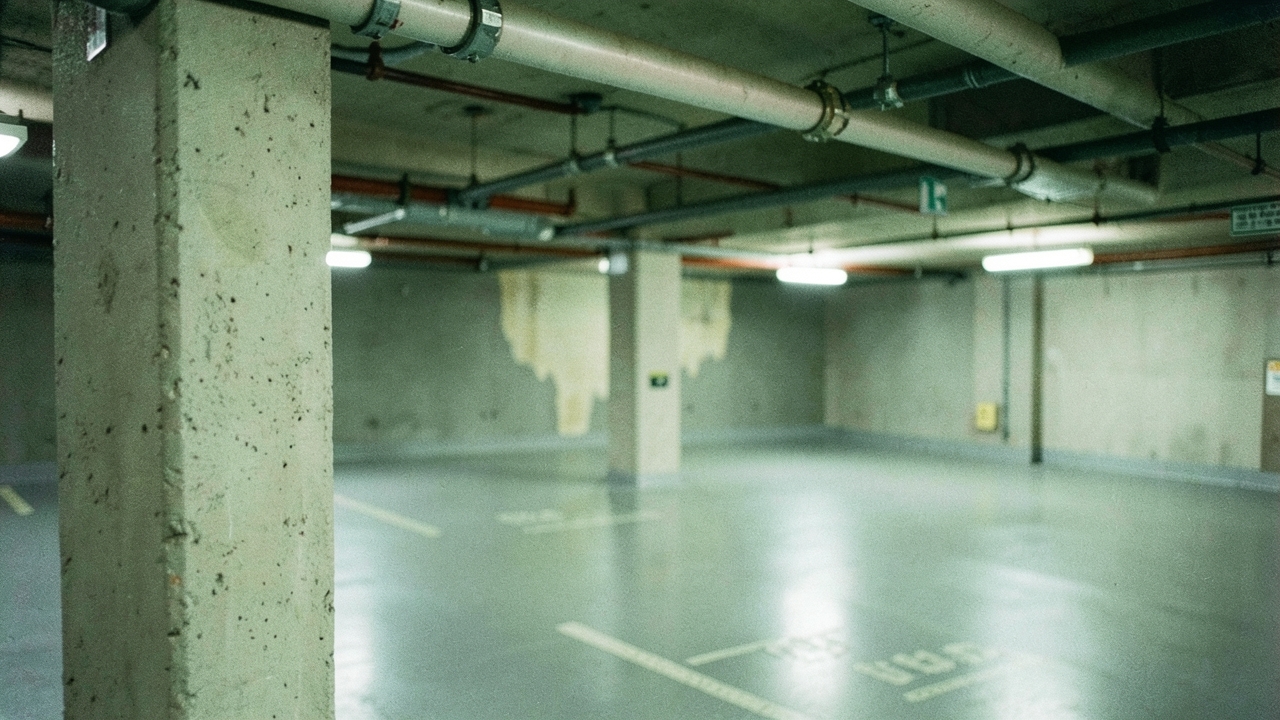
In Korea, the window for demanding defect repairs on an apartment splits into 2, 3 and 5 years depending on the type of construction work. Only load-bearing structural elements — walls, columns, floors, beams — and ground works carry a 10-year period. Peeling wallpaper and water leaking through an underground parking deck are both defects, but eight years separate their deadlines.
The clock does not start from a single date either. Inside your own unit it runs from the day the unit was handed over; for corridors and parking decks it runs from the date of the completion inspection (sayong geomsa). In some complexes those two dates sit months apart.
Warranty periods by trade: 2 years for finishes, 5 for structure, 10 for load-bearing elements
According to Korea's Easy Law information service, load-bearing structures and ground works carry a 10-year warranty under Article 36(1)1 of the Multi-Family Housing Management Act Enforcement Decree. Every other trade is sorted into 2-, 3- and 5-year buckets by Attached Table 4 of the same decree.
| Period | Covered work | Typical defects |
|---|---|---|
| 2 years | Finishing work — plastering, joinery, painting, wallpapering, tiling, stonework, built-in furniture, kitchen fittings, appliances | Lifting wallpaper, flaking paint, cracked tile grout, faulty built-in appliances |
| 3 years | All remaining trades not in the 2-, 5- or 10-year groups — plumbing and sanitary, heating and ventilation, windows and doors, carpentry, landscaping, electrical, fire safety, telecoms | Drain backflow, warped window frames, lifting flooring, dead landscape planting, intercom failure |
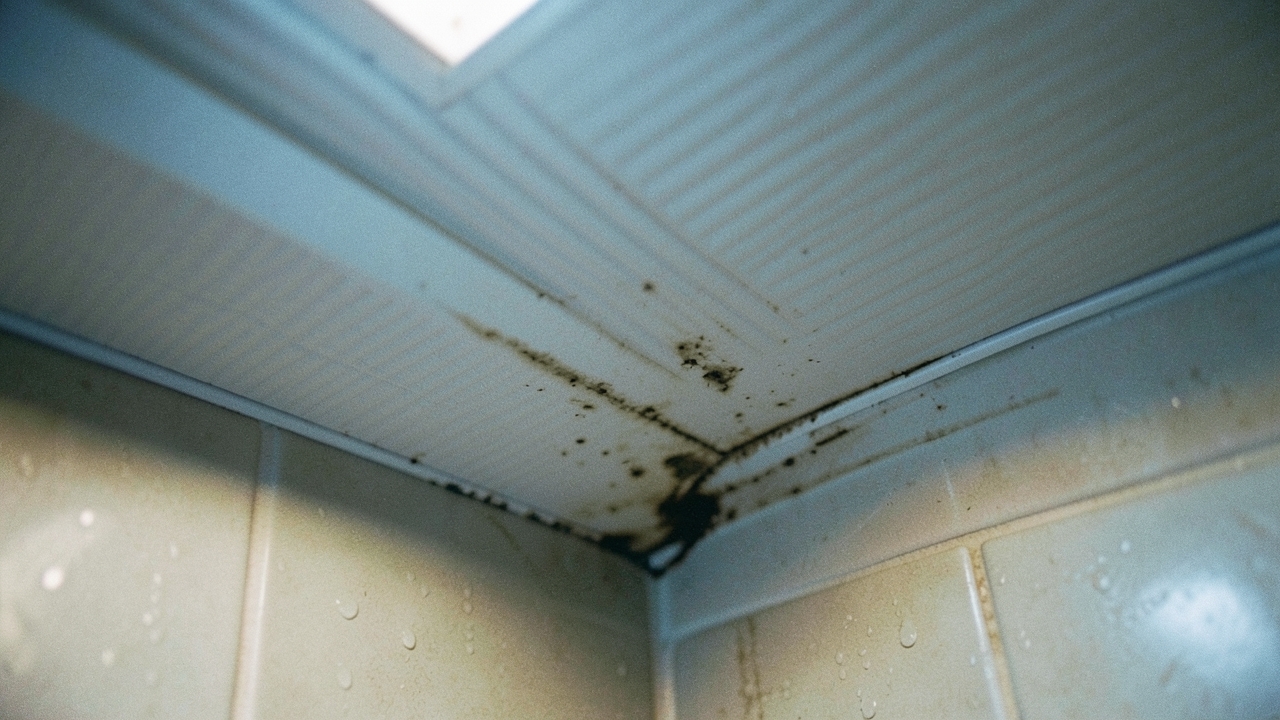
| 5 years | Site preparation, reinforced concrete, steel frame, masonry, roofing, waterproofing | Bathroom and balcony leaks, roof membrane failure, concrete cracking |
| 10 years | Load-bearing structure (walls, columns, floors, beams, roof trusses, main stairs) and ground works | Structural cracking, differential settlement, defects creating a safety risk |
Flooring is where the line gets confusing. Laminate applied as a finish falls under the 2-year bucket, while flooring installed as carpentry falls under 3 years. Water seeping through a bathroom floor is a waterproofing defect at 5 years, but a cracked bathroom tile is a finishing defect at 2 years — a three-year gap between two problems found in the same room.
When does the clock start? Your unit and the corridor differ
Article 36(3) of the Act splits the start date in two: private areas run from the date of handover to the resident, common areas from the completion inspection date.
Private area means everything inside your front door. Common areas are corridors, stairwells, underground parking, rooftops, exterior walls and elevators. It is the same dividing line as the one between exclusive-use area and supply area.
The practical problem is the gap between the two dates. A move-in window of a month or two typically follows the completion inspection, and some households move later still for financing reasons. If the inspection landed in March but the actual handover was June, defects inside the unit run from June while parking deck defects have been running since March. Rounding those three months away can quietly forfeit a claim.
A complex 3 years and 5 months past inspection: what is left
Take a complex that passed its completion inspection on March 15, 2023, and calculate common-area warranty periods as of August 29, 2026. For a private area, apply the same method to the actual handover date.
| Category | Expiry | Status on Aug 29, 2026 |
|---|---|---|
| 2 years — finishing work | March 15, 2025 | Expired (1 year 5 months ago) |
| 3 years — services, windows, landscaping | March 15, 2026 | Expired (5 months ago) |
| 5 years — structure, waterproofing, roofing | March 15, 2028 | 1 year 6 months remaining |
| 10 years — load-bearing structure, ground works | March 15, 2033 | 6 years 6 months remaining |
In a complex four years into occupancy, only two cards remain: the 5-year and the 10-year groups. Waterproofing and structural claims still have room; finishing and services claims are already closed. The 3-year expiry five months earlier stings the most, because warped windows and drainage faults usually need several changes of season to surface — so discovery and expiry tend to arrive uncomfortably close together.
The clock stops on the day the warranty period ends, not on the day you find the defect.

If the builder does not respond: the defect review and dispute mediation committee
Where negotiation fails, a claim can go to the defect review and dispute mediation committee under the Ministry of Land, Infrastructure and Transport. Per the procedure summarized by Easy Law, filings require an application form, a written record of negotiations between the parties, and evidence such as photographs.
Processing periods are fixed by Article 45: 60 days for defect review and mediation, 90 days for common areas; 150 days for adjudication, 180 for common areas, extendable once by up to 30 days. Because a negotiation record is required up front, a claim made only verbally never starts the process. That is why photographs, written demands and proof of delivery matter as much as tracking the deadline.
The repair guarantee deposit drains away over ten years
The developer must deposit a defect repair guarantee for the duration of the warranty period. Consumer24 puts the amount at 3% of total construction cost excluding land acquisition. Central and local government, the Korea Land and Housing Corporation and local public corporations are exempt.
The money returns to the developer in stages: 15% at two years from the completion inspection, 40% at three years, 25% at five, 20% at ten. For a complex with 200 billion won in construction cost, the deposit is 6 billion won and the balance falls as follows.
| Elapsed | Returned (%) | Returned (100M KRW) | Remaining (100M KRW) |
|---|---|---|---|
| 2 years from inspection | 15 | 9 | 51 |
| 3 years | 40 | 24 | 27 |
| 5 years | 25 | 15 | 12 |
| 10 years | 20 | 12 | 0 |
The 40% release at year three drops the balance below half in one step. After five years only 1.2 billion won — 20% of the original deposit — remains. Amounts already spent on repairs are excluded from returns, and the return ratio is calculated including sums already used. If the developer goes bankrupt and claims shift to the guarantee company, this remaining balance becomes the practical ceiling. The long-term repair reserve collected through management fees is a different instrument entirely and cannot substitute once the guarantee deposit is exhausted.
What to check
- Get the completion inspection date from the management office and the handover date from your contract or move-in confirmation — those two dates start the clocks
- Classify the defect by trade first. A leak is waterproofing (5 years); a cracked tile is finishing (2 years)
- If less than six months remain, file in writing with photographs and keep proof of delivery
- Ask the residents' representative council what common-area defects have been logged and what guarantee balance remains
- If negotiation drags, work backwards from the committee's processing periods (60 days private, 90 days common) to set a filing date
- Check the developer's financial condition — bankruptcy pushes claims to the guarantee company, capped at the remaining balance